What Is CKM Syndrome? And How Does Kidney Disease Fit In?
CKM syndrome — Cardiovascular-Kidney-Metabolic syndrome — is a new framework linking heart disease, kidney disease, and metabolic conditions like obesity and diabetes into one connected system. Chronic Kidney Disease isn't separate from CKM; it's one of its core building blocks. Here's the 5-stage system explained in plain English.
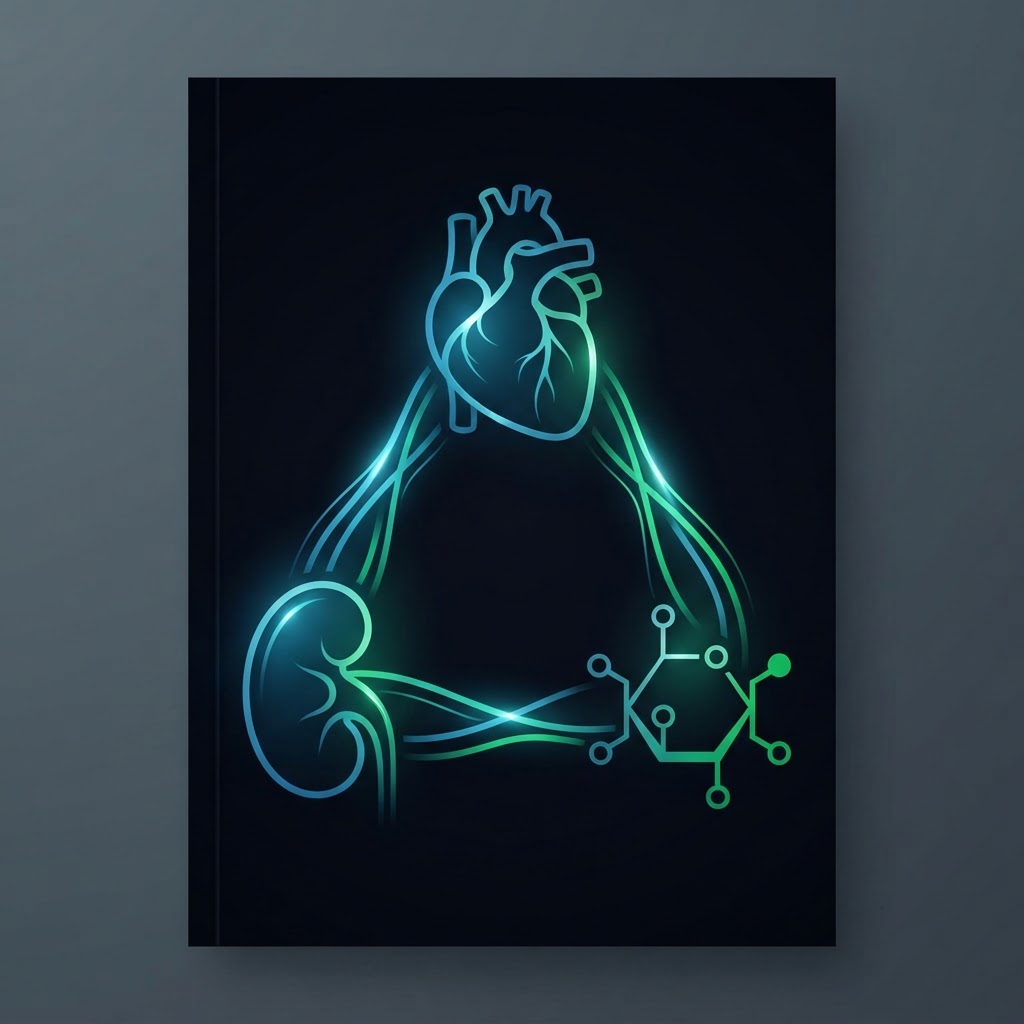
Your doctor might soon start using a term you haven't heard before: CKM syndrome. It stands for Cardiovascular-Kidney-Metabolic syndrome, and it's a new way of thinking about three health problems that used to be treated separately — heart disease, kidney disease, and metabolic problems like obesity and diabetes.
The idea, defined by the American Heart Association in 2023 and now backed by an official multi-society clinical guideline in 2026, is simple: your heart, kidneys, and metabolism aren't three separate systems. They're one connected system. Damage one, and the other two usually start to suffer too — even before you feel any symptoms.
So what's the actual relationship between CKM and CKD?
Chronic Kidney Disease (CKD) isn't a separate condition from CKM syndrome — it's one of the three interconnected components that make it up, alongside heart disease and metabolic dysfunction (obesity, prediabetes, diabetes, high blood pressure, abnormal cholesterol). None of the three is the "main" one — the whole point of the framework is that they reinforce each other in a loop, not that one drives the other two.
Here's why that matters practically: your kidneys filter your blood and help regulate blood pressure, and your heart pumps blood through them. If your metabolism is unhealthy — say, you have insulin resistance or obesity — it puts extra strain on both your kidneys and your heart at the same time, through shared biological pathways (inflammation, blood vessel damage, fluid and salt regulation). That's the "so what" of CKM: it's not three diseases that happen to co-occur. It's often one process, damaging three organs simultaneously.
The staging system, in plain English
The official framework has five stages, numbered 0 through 4:
- Stage 0: No risk factors present. The healthy baseline.
- Stage 1: Excess or unhealthy body fat, or prediabetes — no organ damage yet, but the risk clock has started.
- Stage 2: Metabolic risk factors are present — high blood pressure, high triglycerides, type 2 diabetes — and/or CKD has appeared.
- Stage 3: Subclinical cardiovascular disease has developed (damage doctors can detect on tests, even without symptoms), combined with the risk factors above, or a high-risk CKD stage.
- Stage 4: Clinical cardiovascular disease — an actual heart attack, stroke, or heart failure — has occurred, on top of the CKM risk factors.
The data on how many people this affects is striking: research published in JAMA found that nearly 90% of US adults meet criteria for CKM syndrome stage 1 or higher, and about 15% are already in the advanced stages (3 or 4) — the stages where actual organ damage has occurred. Separately, the CDC estimates roughly 37 million American adults — about 1 in 7 — have chronic kidney disease specifically, and most don't know it yet, because early CKD usually has no symptoms.
Why this reframing actually matters
The old model treated a cardiologist, a nephrologist (kidney doctor), and an endocrinologist (diabetes/metabolism doctor) as three separate specialists managing three separate problems in the same patient — often without talking to each other. The CKM framework pushes for integrated screening and treatment: check blood pressure, cholesterol, blood sugar, weight, and kidney function together, because a problem in one is a warning sign for the others.
The practical takeaway if this applies to you or someone you know: regular screening matters precisely because early CKD and early metabolic dysfunction usually don't cause symptoms. By the time you feel something is wrong, you may already be several stages in. Ask your doctor about all five factors — blood pressure, cholesterol, weight, blood sugar, and kidney function — as one connected checkup, not five separate ones.
Todd Colpron is the Managing Partner of Eliakim Capital, a boutique principal investment and strategic advisory firm focused on life sciences, capital strategy, and long-term value creation. He works with select management teams navigating growth, investor communications, and capital formation, while evaluating opportunities where Eliakim Capital’s experience, relationships, and investment perspective can add meaningful value. The firm may also invest its own capital when an opportunity demonstrates strong strategic alignment and investment merit.